

Accounts Receivable (AR) shows the business credit sales which still need to be collected from the customers. In comparison, Credit sales are also known as sales made on the account. For instance, outline that, if payments are due each month and the payment date is missed, an interest fee will be added until the payment is made. It’s an incentive for customers to make payments on time, which can reduce the average collection period for your company. In this section, we will explain some tactics and methods your company can use to reduce the risk of bad credit via credit sales.
Revenue vs Sales Explained in Video
This leaves your company in the precarious situation of losing out on payments due with no way to recoup the losses, generating bad debt. Being proactive about potential issues and implementing strategies to mitigate them can help you minimize the risk of bad debt and maintain a robust business. Therefore, before granting any customer credit, you need to study the company’s financial health and limit the receivables ceiling in line with its solvency.
Utilizing Accounts Receivable Turnover Ratio for Analysis
- Accounts Receivable management involves establishing credit policies, monitoring outstanding invoices, and ensuring timely collection of payments.
- On the income statement, one must register the sale as a rise in sales revenue, cost of goods sold, and expenses.
- All of these tips are critical for companies of all sizes that use credit sales.
- Let’s know more in detail about the advantages and disadvantages with respect to U.S. businesses.
Credit sales contribute to a rise in sales revenue figures, reflecting successful negotiations of credit terms, enforcement of established terms, and adherence to structured payment schedules. This ensures that the creditor has security in the form of assets or property provided by the debtor in case of default on the payment. Collateral agreements outline the specifics of what assets are pledged, their valuation, and the conditions under which the creditor can seize them. Credit approvals are often contingent upon the value and quality of the collateral provided, as https://www.bookstime.com/ it mitigates the risk for the lender. Regular monitoring of collateral is crucial to ensure that the assets remain valuable and are maintained according to the agreed terms, contributing to a healthy credit relationship.
- When a business sells goods or services on credit, the buyer receives the goods or services immediately, with the promise to pay at a later date.
- To get a comprehensive total revenue figure, businesses must combine their net credit sales with cash sales data, ensuring that all sales channels are included.
- Your cash flow may be compromised based on net payment terms, and late fees may reduce your working capital.
- Sometimes, businesses might overlook certain discounts or misclassify them, thinking they’re not a big deal.
- It helps small businesses, especially those that do not have enough capital.
- It gauges how effectively a company collects payments from customers who bought on credit.
- Negotiating favorable credit terms, such as extended payment periods or discounts for early payments, can significantly impact a company’s cash flow and overall financial health.
B. Monitoring and Collection
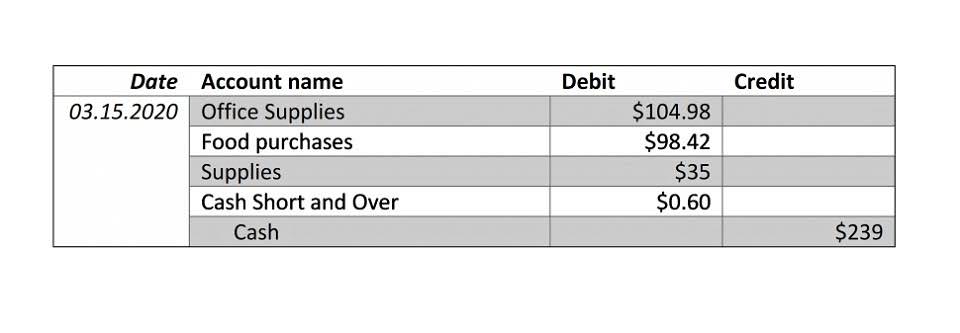
This example shows how to use the formula for net credit sales in real life. This underscores the necessity for businesses to carefully navigate the process of setting credit terms in a way that balances revenue generation with cash flow stability. By meticulously reviewing payment conditions and ensuring prompt approval of credit terms, companies can better regulate their cash reserves and prevent potential liquidity issues.
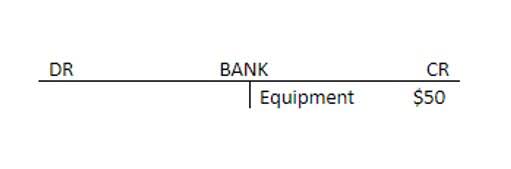

The credit sales cash has been paid by the customer – in other words, our bank account has increased. As the cash account is an asset, we would increase this by debiting that account. This is a fundamental aspect of bookkeeping and accounting, and understanding the debits and credits involved is vital as an accountant. When a business sells goods or services on credit, the buyer receives the goods or services immediately, with the promise to pay at a later date.
- Ultimately, an increase in sales could be achieved through strategic adjustments to credit sales policies and procedures.
- Those calls from companies asking for payment can be uncomfortable and unpleasant.
- By reviewing this ratio, businesses can spot issues and adjust the deferred payment terms, improve invoice tracking, or enforce stricter collection policies to stay on track.
- Before you can crunch the numbers, you’ll need to collect all relevant data.
- By establishing these parameters upfront, both the creditor and the borrower are aware of the terms governing the credit arrangement.
Step 1: Find the Total Credit Sales

The accounts receivable turnover ratio holds immense importance in assessing a company’s financial well-being. It gauges how effectively a company collects payments from customers who bought on credit. By figuring out this ratio, a company can see how fast it’s turning credit sales into cash, vital for keeping cash flow positive. Most of the financial ratios are dependent ledger account on net credit sales for analysis. The accounts receivable turnover ratio measures an organization’s efficacy in collecting timely payments from customers.

The 10 Best Cash Management Software (2025 Guide)
The day’s sales outstanding (DSO) ratio calculates the average number of days it takes to receive payments. When businesses make sales on credit, this specific amount must be accounted for as accounts receivable on the balance sheet. It showcases the money owed by customers to the company for products or services delivered but not yet paid for. As the credit sale accumulates, the account receivables amount increases reflecting outstanding payments due from customers. Credit sales refer to transactions where goods or services are sold to customers on the agreement that payment will be made at a later date. This creates an obligation for the customer to pay, which is recorded as an asset in the seller’s books under debtors (also known as accounts receivable).